Logic Table is being built. That is the whole of what we can prove today.
Reservations and table management for restaurants: the book, the floor plan, the covers, the walk-ins and the no-shows. It is the second row of the register and it is not for sale.
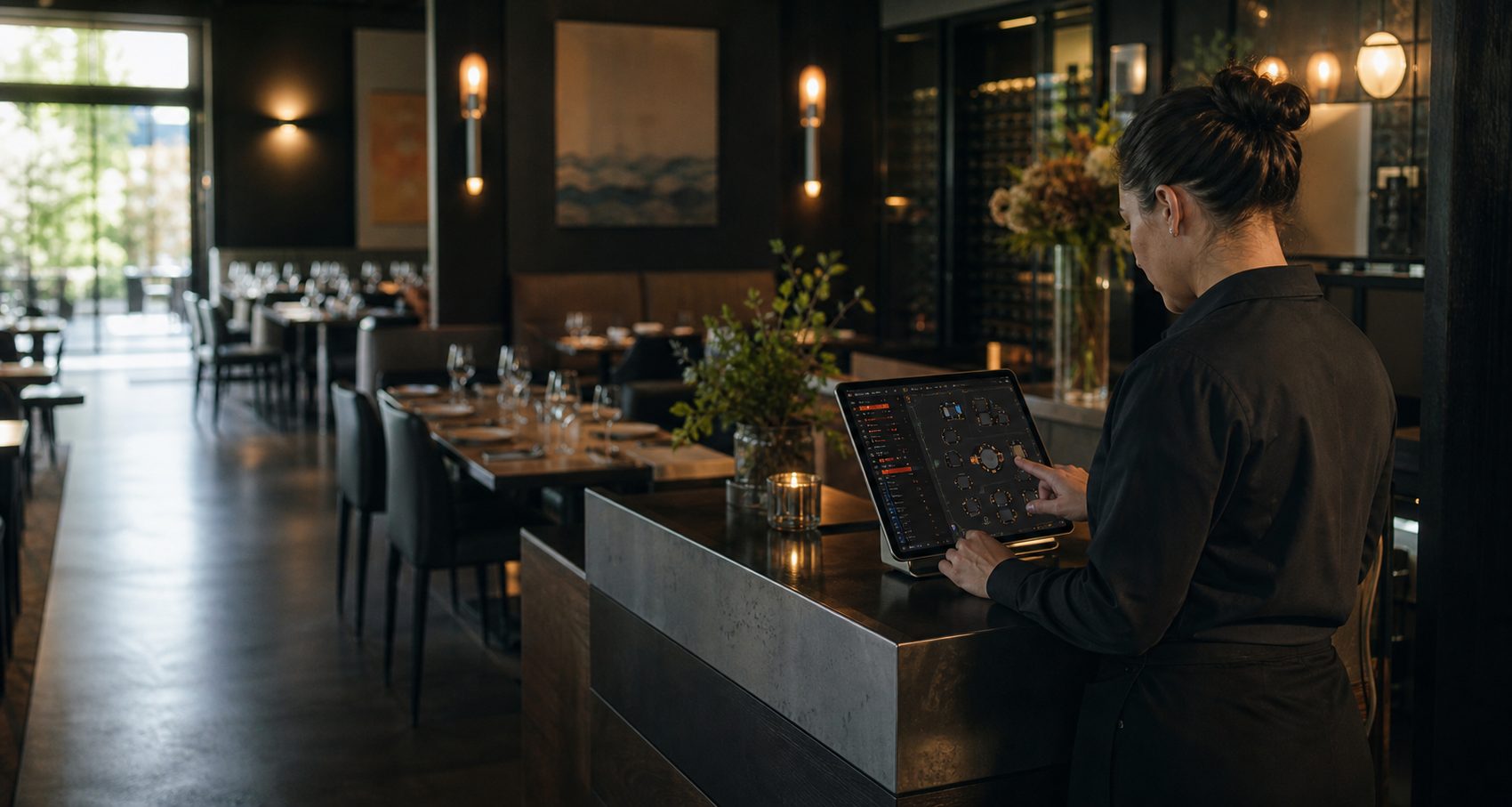
The problem it starts from.
Every reservation product is written from the point of view of the diner. This one starts from the pass at 20:40 on a Saturday, which is a different room with different problems.
Three channels, one head
The phone, the website and the marketplace all take bookings, and the only place they are genuinely reconciled is the memory of whoever is on the door. That works until the person on the door has a night off.
The floor plan is the truth
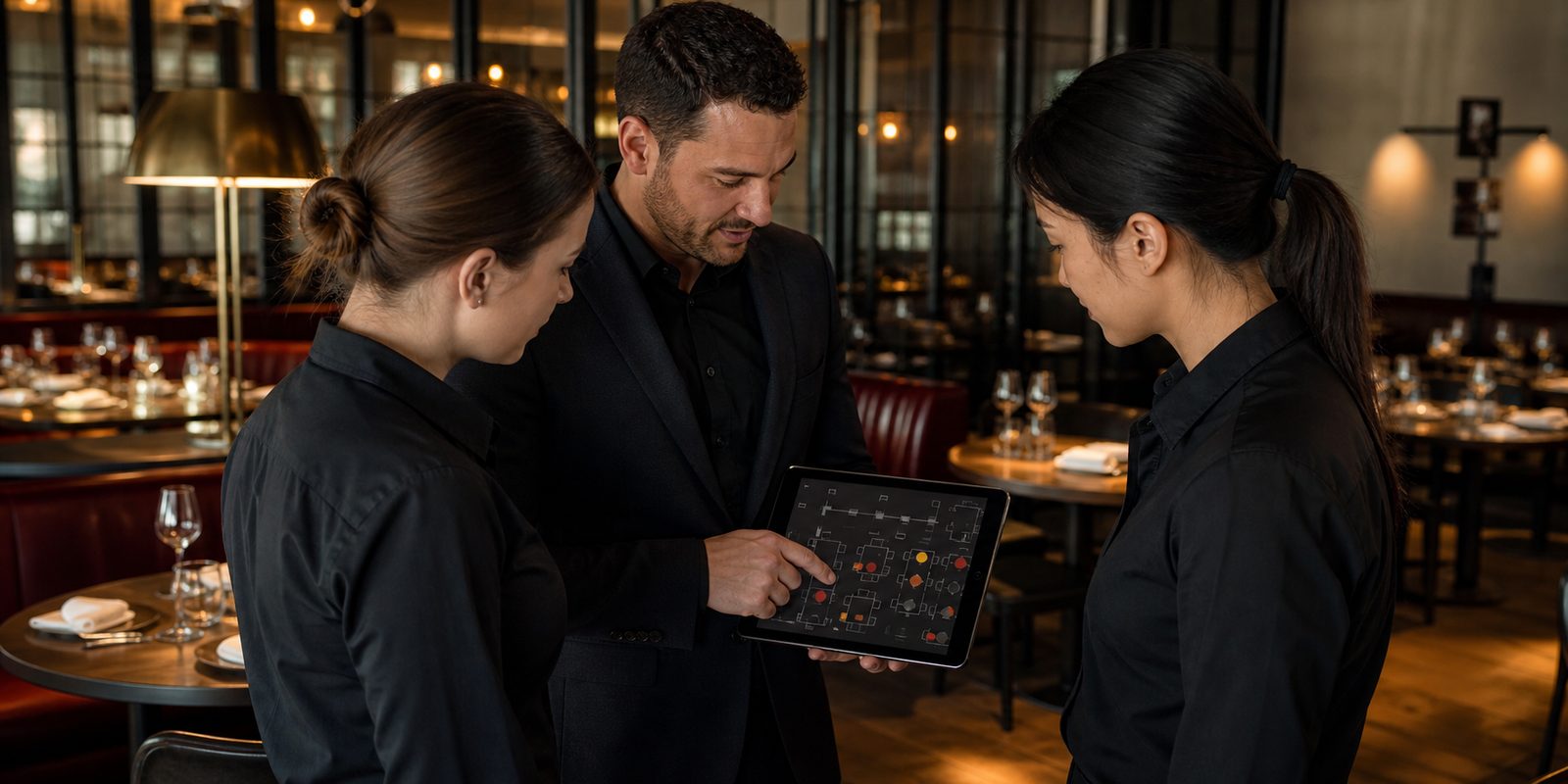
A booking is not a row in a list, it is a table, for a duration, next to other tables. A tool that cannot see the shape of the room cannot tell you whether 21:15 is actually possible.
No-shows have a number
Empty covers have a number attached to them. If the software cannot show that number at the end of the month, it has not helped anyone decide anything.
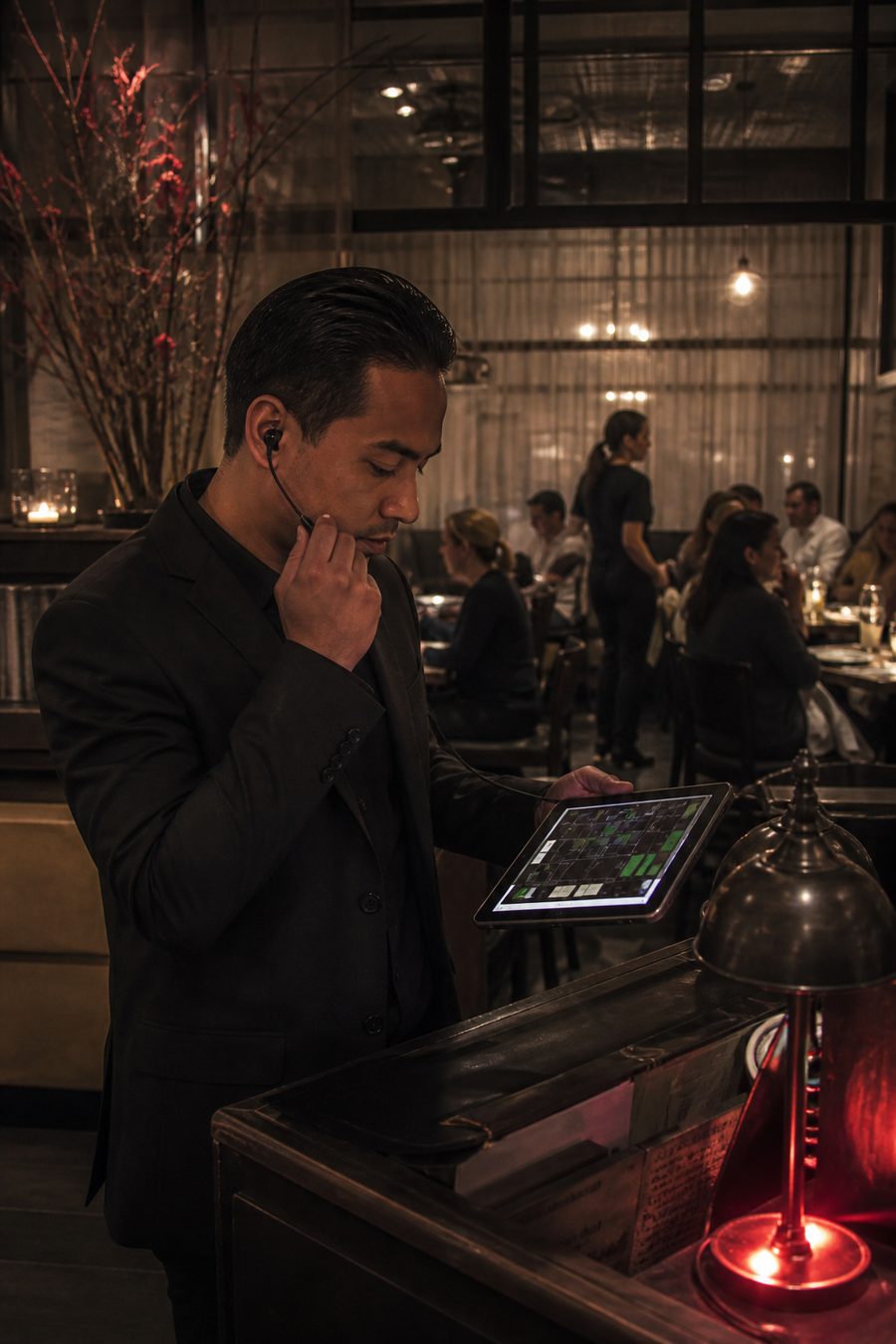
What is already decided.
Features are still moving. These are the house standards Logic Table inherits before a line of it is written, and they are the same ones Logic SAT is held to.
- It works when the wifi does not
- A dining room does not stop because the router did. The floor state stays usable offline and reconciles when the connection returns.
- Guest data stays in the European Union
- Diner records are personal data with a marketing temptation attached. They are stored in the EU under GDPR, and erasure is a button in the product.
- The restaurant's name on everything
- Confirmations and reminders go out from the restaurant, not from a platform the guest has to be introduced to.
- The book is yours to take
- Bookings and guest history export in full. A reservation system that holds your customer list hostage is a lock-in product wearing a hospitality badge.
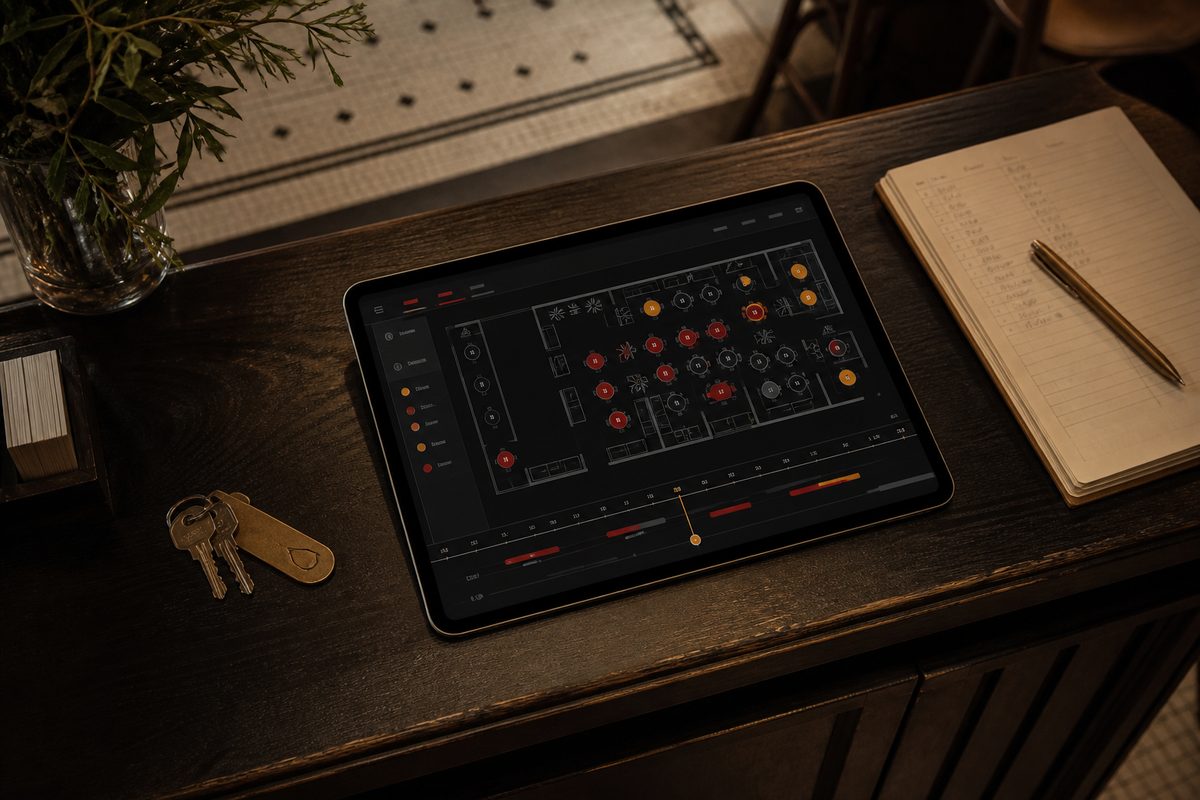
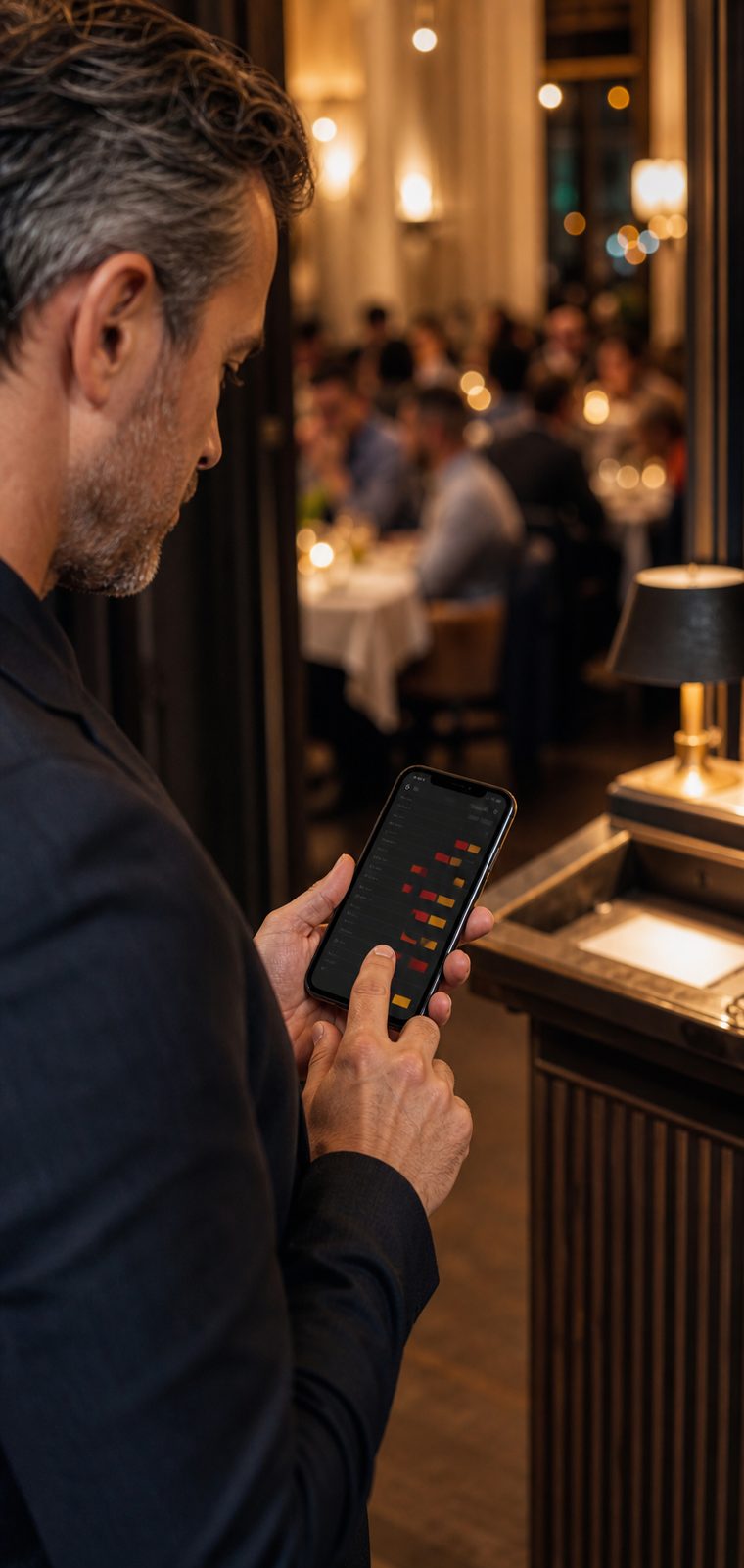
The month is where it gets judged.
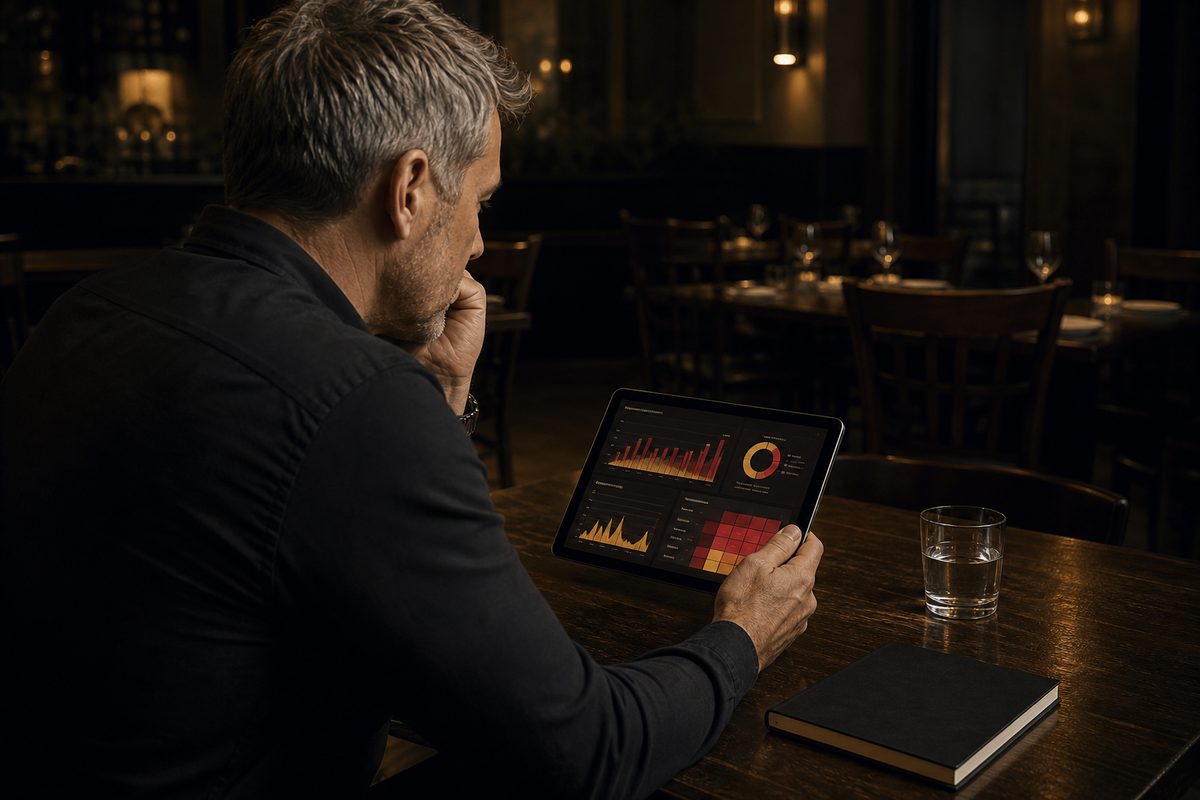
Any reservation tool looks fine at 20:00 on a Tuesday. The question we are designing against is the one asked in an empty dining room at midnight on the last day of the month: how many covers did we actually turn, what did the no-shows cost, and which nights were we wrong about.
If those three answers are not in the product, everything else it does is bookkeeping. It is also why Logic Table will not ship on the day the floor plan works.
Restaurants shape it. That is stage three.
Before Logic Table is sold to anyone, it runs real services in a small number of real dining rooms. If you would rather be one of those than a customer later, tell us what your room looks like: how many covers, how many channels, and what breaks now.
We will write back to say whether you are a fit, and we will not add you to a mailing list.
Nothing to buy here yet.
If you need something today, Logic SAT is the row of the register that is finished, and it is a different problem entirely.